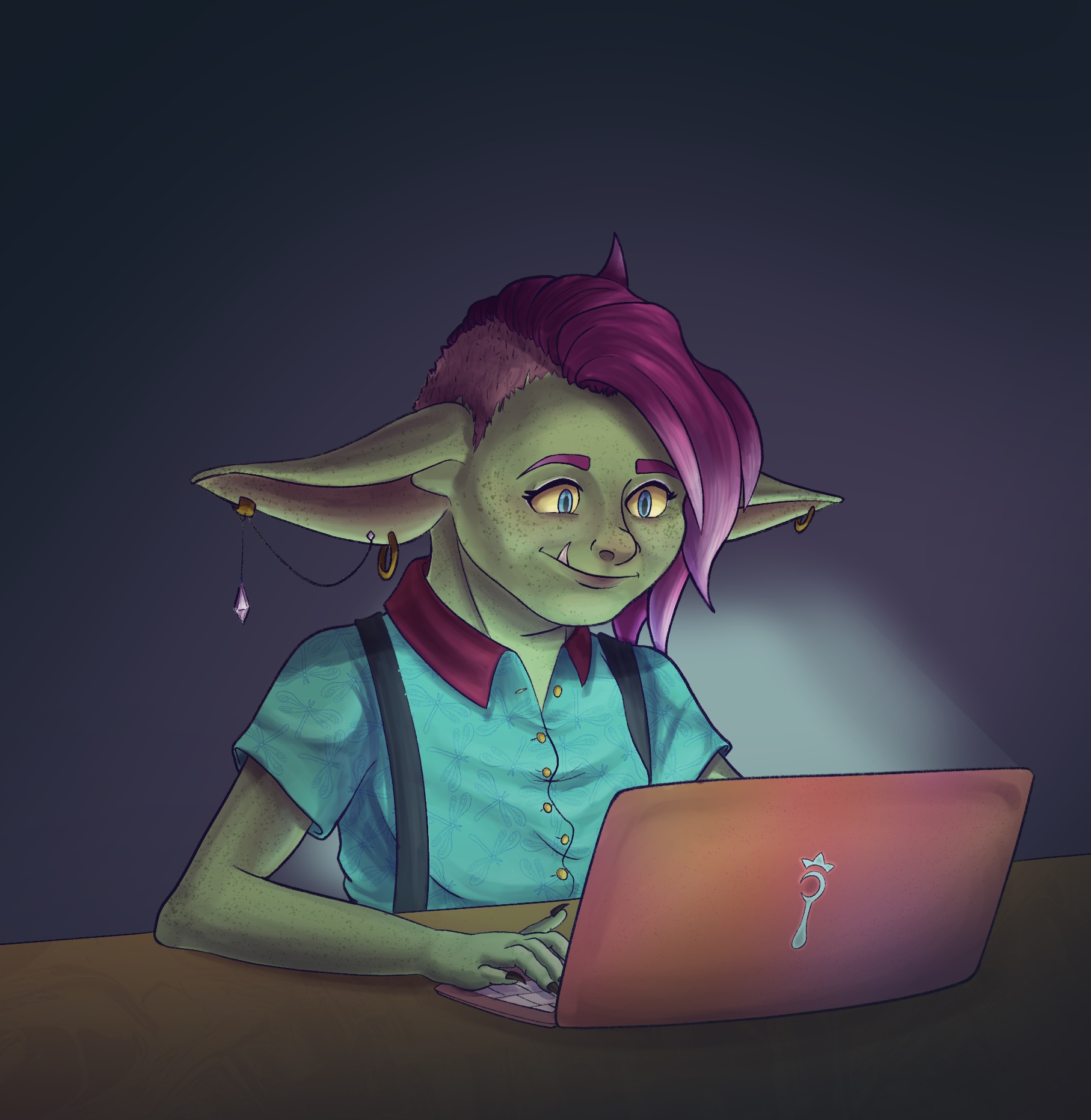
But I’m Okay
I’m not disabled. At least, that’s an easy leap for my brain to make. I have all of my digits and limbs, I don’t need help getting around, and if anything my eyesight and hearing are a little too good for my own good. I can manage just fine in life, so there’s no reason to call myself disabled.
If anyone’s upset reading that statement, don’t worry. I don’t like it either. Largely because it’s not true, but also because I have this thought far too often for my liking.
Read more: But I’m OkayI think we’ve all convinced ourselves to a degree that if we’re “managing” or “getting by,” we don’t have an issue that needs addressing. Yeah, I’m a little stressed and tired, but who isn’t these days? Have you seen the economy lately? Who wouldn’t be anxious? Everyone feels this way, so I can just suck it up. It’ll get better eventually.
To clarify something, I got diagnosed in 2022 with OCD, ADHD, and General Anxiety disorder. So, long story short – I’m constantly worried something may be wrong, but I’ve forgotten what it is, but I have to keep thinking about it until I remember because otherwise the world will end. That’s not entirely encompassing of my issues, but it describes them well enough for this context.
I spent 22 years of my life being “fairly normal.” Obviously I’ve always had issues and struggles, but they weren’t very obvious. Any time I was anxious, it was fairly easy to explain based on life events. I was a child during a time when OCD and ADHD were fairly new, not really brought up, and most commonly recognized in males or as stereotypes I very clearly did not and do not fit.
Ironically, part of my “problem” is that my parents loved and supported me. My mom recognized my mental struggles and learning disability from an early age, and that combined with a less than ideal school district led my parents to decide to homeschool my sister and I. Our family worked around the fact that we both learned in different ways, and had our own unique strengths and struggles.
“If we’re ‘managing,’ we don’t actually have a problem.”
When I was old enough to understand, I found out I had Dyslexia. I don’t remember who told me, I think it was my mom. The reason I didn’t list that up above was because I grew up knowing this fact. As far back as I could remember, I was “special” and a little different, and that wasn’t a bad thing. It was just a way for me to understand the quirks and struggles I had when dealing with the rest of the world. After the initial school struggles, I didn’t even really notice my issues. I wasn’t struggling any more than anyone else, so clearly I wasn’t disabled.
Then my dog died. I know, kind of an abrupt turn there. I got Claire for my tenth(?) birthday, and she was my best friend. While I had problems making friends, or was confused about things in my life that made no sense, I had Claire. My little snuggle buddy who loved me, and I loved her. I think she was the thing I found the most support, comfort, and unfiltered love from in the world.
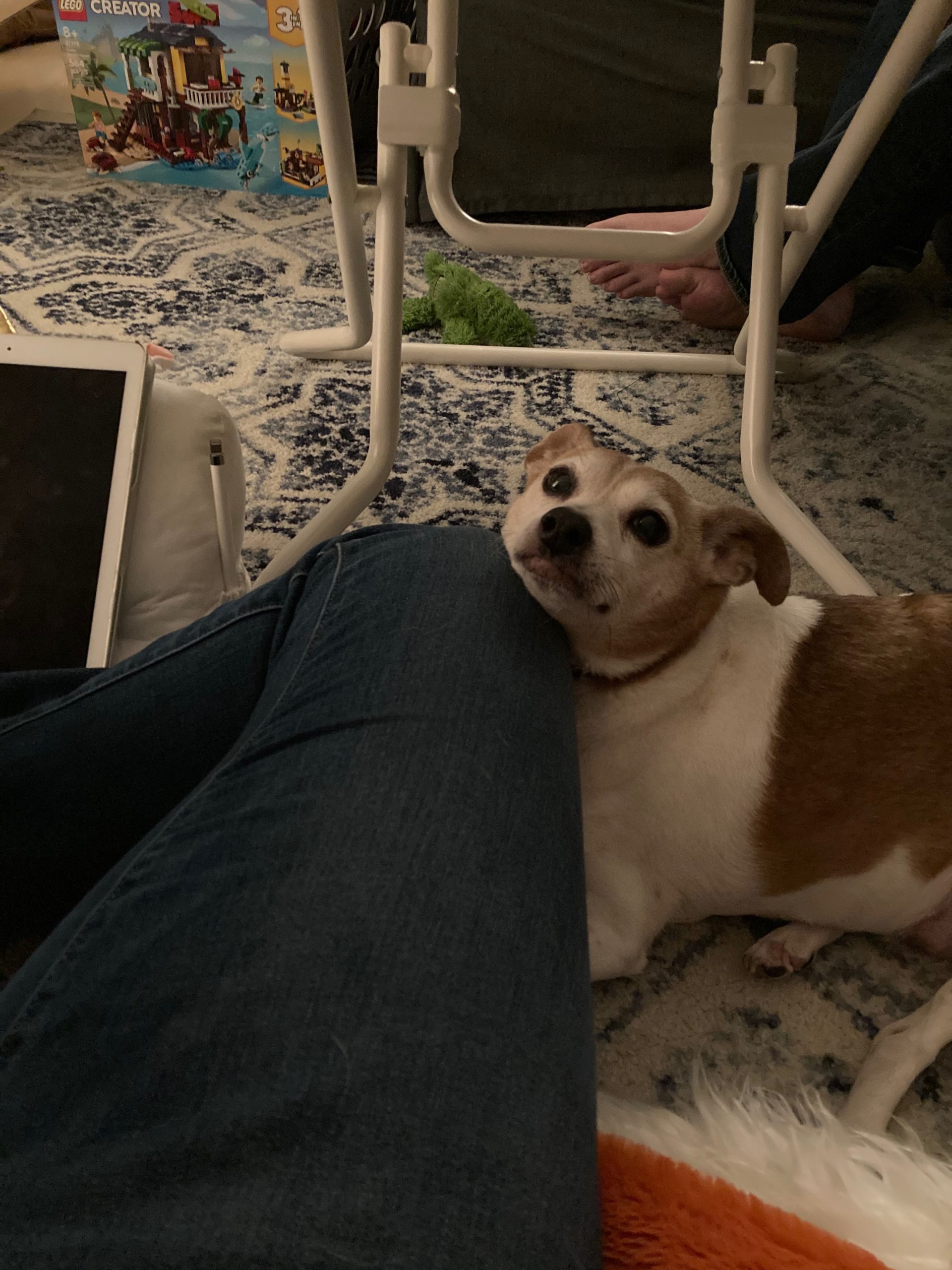
I had always had issues (because that’s how disabilities work, obviously), but I think losing Claire was the beginning of one of the worst downward spirals of my life. It wasn’t immediate, and was intensified by a lot of physical and emotional stress at that time. Still, I lost my best friend and coping mechanism. Not to mention all of the grief I now had to process. It was sort of like someone took my umbrella away in a rainstorm, and dumped a bucket of water on my head instead.
There was more involved in the summer of 2022 that I don’t want to get into right now, but I think you get the backstory well enough. All of this meant the undiagnosed, unmedicated conditions I had were fighting against me. I started self isolating. I cried more. I couldn’t focus. I would ask my family for help with the intrusive thoughts and worries in my head, then lash out at them when my brain made up something new instead.
I had an idea that I might have ADHD for years leading up to that, but an actual anxiety disorder or OCD had never really occurred to me. At least, not in a way that they would apply here. All I knew was that these thoughts and worries were genuinely ruining every relationship I had, threatening my job, and even my physical wellbeing. I couldn’t eat because my anxiety gave me so much adrenaline that I didn’t feel hungry. The idea of eating made me feel sick. I lost a lot of weight that summer, but without actually taking care of myself in any healthy way. My blood sugar was constantly low, which made the brain fog so bad that my thoughts and worries made even less sense.
In short: struggling with my undiagnosed, untreated issues left me incapable of living. They disabled me.
Thankfully, I started seeing a therapist in August of that year. Working with her and my doctor, I got properly diagnosed, and given the medication and counseling I needed to get out of my destructive mindset. I found joy and peace in things again, and for the first time in my life was able to do things like sit on the couch without intrusive thinking telling me something I was doing was wrong, or go get my hair cut without worrying my stylist might judge me for the kinds of things I might say. Getting to the lowest point in my life helped me realize just how much every day struggle I was dealing with.
It was really weird to be officially diagnosed, and on medication, though. I knew this was common, and didn’t feel judgement or shame about it at all. In fact, I was elated to feel the best I ever had, and everyone important to me has only ever been kind and accepting about it. No, what felt weird to think about was that I, a physically healthy and completely capable adult, am disabled.
I think one problem comes in the fact that we often refer to these conditons (ADHD, OCD, Autism, etc.) as disorders, not disabilities. They’re something wrong with your head, not something that impacts your every day life. You can’t look at someone and know they struggle with their mind the same way they struggle with a missing arm or breathing issues. It becomes deceptively easy to hold yourself and others to the same level as “healthy” people, because your struggles feel invalid compared to others.
This all got brought to the front of my brain when I saw a thing from my work talking about how July is “Disability Pride Month.” A month meant to bring awareness to peoples’ struggles, and make them feel seen, supported, and understood. I wondered for a second if I was allowed to participate. Maybe I wasn’t the kind of disabled they had in mind.
Then I remembered that when it comes to understanding and supporting, there is no difference between a mental or physical disability. Even if you look “normal” and “fine,” you deserve to be helped and treated. Don’t put off talking to your doctor or a therapist, even if you have to ask help from someone you trust to get it done. You deserve better than simply living with your symptoms.
As for me? Hi. I’m Ema, and I’m disabled because I am neurodivergent. I don’t look like it, but I have struggles every day that i need help dealing with. Some days I’m perfectly fine, and some days I’m barely holding it together. But I’m okay.
Thank you so much for this post, Ema. I’ve been struggling to articulate some challenges that I’ve been facing recently. And reading this post made me feel like my truth was spoken aloud without my having to struggle so much for it. I’m facing different things from you (and truly, I think you’re dealing with a lot more). Reading this post feels like gentle inspiration. You are very brave and I am so happy to know you. I really hope that you will grow into a world that is more appreciate of your unique strengths and be supportive where you struggle.
I’m so glad you found some comfort and help reading this. I wanted to share some of my insights on neurodivergence, just in case this was something people needed to hear and didn’t know. I’ll probably be posting a lot more on it in the future as I figure things out. Also, don’t put weight on whose struggles are worse! I used to, and all it did was teach me that my problems weren’t worth acknowledging and processing, because they “weren’t as bad as others.” Everyone deserves permission from themself to process and heal from their issues.
Well written! I remember learning in counselling and therapy that you can’t compare pain. If it hurts, it hurts. As one of my friends says, “This isn’t the pain Olympics!” It brings me a lot of hope knowing that there are people like you willing to share their story to help others understand this unique struggle, which is still too often misunderstood; the more that people understand, the less stigma there is, so I sincerely appreciate adding your voice and perspective. Thanks for helping make the world a little brighter. Keep shining, star!