There’s A Name For That?
It’s funny how learning one little bit of information can change everything, right? You’re singing along to your favorite song, until someone points out you’ve heard a lyric wrong this entire time and this “romantic ballad” is actually a lot less romantic now. Or, maybe you’ve lived your entire life feeling a weird pain in your knees, and you don’t learn until you’re twenty five that it’s because your posture is bad, and you can fix it by standing differently.
I’m a late diagnosed neurodivergent individual. I was raised by a loving family who helped me as a child whenever I had a struggle or behavioral trait that made life difficult. Since I was home schooled, and able to overcome my surface struggles, I didn’t know there was anything “wrong” with me until I started asking questions. Sure, I was managing okay in life. But it was like swimming with a life jacket on. I could only do so much, because I was being held back by things that should normally help me.
The Intent Of This Post
I want to write a series of blog posts talking about the various disorders and neurological traits I’ve figured out about myself. I want to make this information more accessible to people, so that others like me who have questions can have a guide towards answers. However, writing posts like this is a little complicated for two reasons:
1. I am not a doctor.
I have no medical training whatsoever. I cannot (and would not) diagnose someone. The best I can ever do, with permission, is give my friends an opinion and recommend them topics to research and discuss with their doctor. So, please don’t use any of my posts as anything more than information, and talk with your doctor if you think there’s a chance you have a condition.
2. This is a very inaccessible topic.
There are so many new words and terms and mindsets that someone learns when they start asking questions about the topic of disorders. It can be incredibly difficult to write about things like OCD or Autism without using words like “Neurodivergent” or “overstimulation”, especially if you want to talk about them kindly without indulging in stereotype.
My intent with this post is to explain some key words and things one needs to know to make reading anything else I write a lot more comfortable to understand. I’ll probably update this a few times, as I figure things out, but why else would they give me an edit button if not to use it?
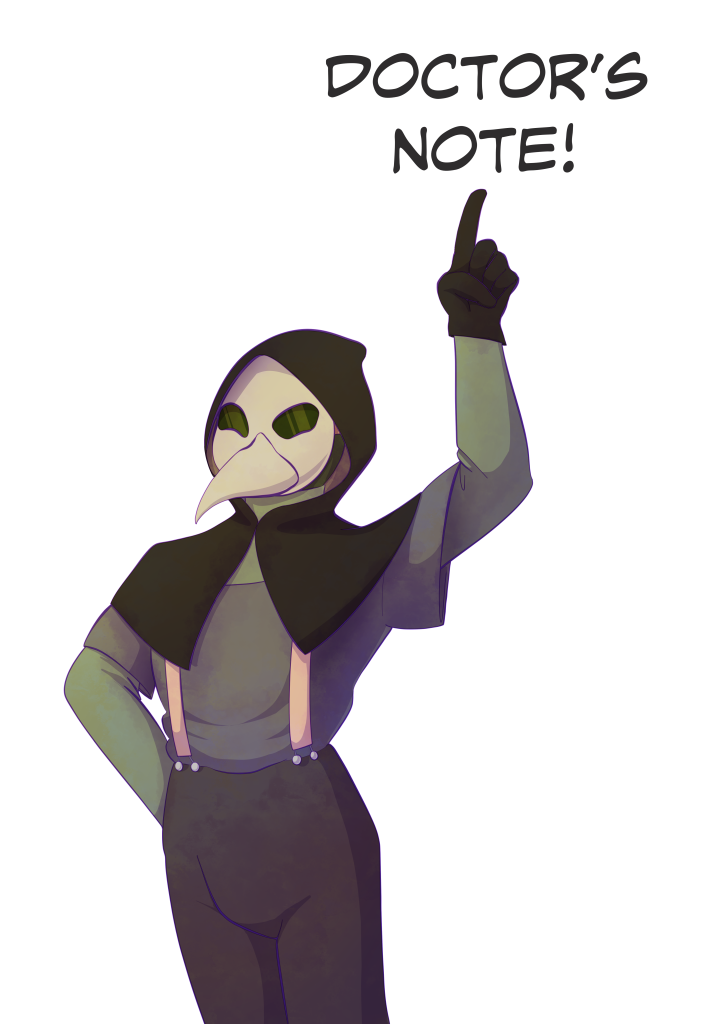
Lastly, our little buddy over to the right is my friend, Dr. Geoff. He’s gonna be at the top of every blog post talking about some facet of neurodivergence, ready to redirect people back to here if they have questions about certain terms, or just need to reread some things.
He’ll also probably show up in the future to help give examples for certain topics or situations, since everyone loves a good (and handsome) visual aid.
Okay, I think that’s it for the preamble. Let’s get started.
Good Words To Know
1. Neurodivergent
I used a word up there that some people may not know. Autocorrect sure doesn’t. Neurodivergent is a word or title (sometimes called Neurodiverse) meaning “someone whose brain developed or functions differently for some reason.” The opposite of this, someone who would be considered “normal” by a large chunk of society, would be called Neurotypical.
When I talk about people with disorders, I’ll typically shorten that to saying “Neurodivergents” instead. It can be more inclusive, since the word disorder has a bit of a stigma to it. For similar reasons, I like to use “Neurotypical” instead of “normal.” Normal is a very subjective and othering way to describe people, so I prefer to use terms that make everyone feel welcome.
2. Stim
Have you ever been sitting some place – maybe a meeting or school or a bus ride – and felt the need to shake your leg or pull at your clothes or hair? If so, you might have been stimming. To stim, otherwise known as stimming, means to seek out stimulation from your actions or environment. It can be the compulsive need to wiggle your fingers because you’re bored, or the urge to run your hands along a specific texture because you’re stressed.
This type of behavior is most known about in the Autism community, but people with other disorders such as ADHD can feel the same need to regulate by doing. Stimming really can be any action, and is best defined by paying attention to when certain scenarios trigger certain actions, and vice versa.
As an example, I stim a lot with my hands. Before I was properly treated for some of my issues, and knew what stimming was, I just assumed I was a fidgety person. It wasn’t until I was diagnosed with anxiety and ADHD that I realized there would be times when I felt overstimulated or understimulated (those terms will be explained next), and would feel the need to do things with my hands. Now I’ve learned to listen to my body when that happens, and wiggle my fingers under tables or gently squeeze my hands when I feel the need for action that I can’t fulfill.
3. Overstimulation and Understimulation
With what I just wrote on stimming, you’d think that overstimulation and understimulation would be the act of stimming too little or too much, right?
Actually, it’s best to think of stimming as an action, while over/understimulation are more like sensations. I love whenever people describe things like needing to turn down the music in their car so they can see better, because they just described overstimulation without having a word for it.
Imagine watching a movie for a minute. You’re watching and listening to a beautiful piece of art that comes out of a lot of different components. After the initial writing, acting, and music composing, it’s some peoples’ jobs to go in and tweak things so they all balance well together. After the amazing editors do this, our brains are able to take in all of the sounds, sights, flashes, dialog, etc., without feeling uncomfortable.
Now let’s see what happens if you adjust some of those levels a little bit.
Overstimulation
Overstimulation in our movie analogy might mean that one part of our movie, let’s say the sound, has been turned up too high. You’re trying to pay attention, but something about this experience is making you feel uncomfortable, maybe even irritable for “no good reason.”
That’s not the only option, though. It might suddenly feel like someone did their job poorly when balancing the movie. For some reason the dialog, sound effects, and music are all at the exact same volume, overlapping each other. Even if one of them isn’t “too loud,” having all three competing the same amount for your attention can split your mind too much, leaving you overwhelmed.
Understimulation
In our movie analogy, it seems like someone accidentally left the music too low in sound balancing. That’s not the end of the world, but the movie just doesn’t feel as good and restorative to you without it.
Understimulation can often present as feeling listless or dissatisfied with something, even if it’s something you normally like. That’s not wrong, but can be really annoying when you need to rest, but feel the need to do something, but you don’t have the energy to do anything.
Or, maybe you keep hopping from thing to thing, because nothing is satisfying that itch of yours for a specific sound or experience.
No matter what your experience, over/understimulation can disrupt your day in ways you might think are irrational and something you can “just work through.” However, these sensations are more like warning lights, signalling to you that you are tired, need food or water, or maybe need to step away and regroup. Just because something triggers a reaction, doesn’t mean that it caused the reaction.
Thankfully, there are tactics and products that can help, like sound-filtering earplugs to lessen noise in an environment or wearing your hair up so you feel less things touching your skin. When I do a full post on this topic, as well as resources, I will link it here.
4. Masking
I hear masking brought up most commonly with autism, but honestly I think masking is a near universal experience. I think about it almost every day when I work in customer service.
Masking is the act of gathering up your thoughts and emotions, and choosing to project certain behaviors and emotions you think others will find acceptable. Maybe your mom called, and you try to sound happy on the phone even though work has you stressed. Or you have a craving to wiggle your fingers, but you don’t because you’re afraid people will judge you.
Masking isn’t necessarily wrong. Sometimes you don’t have the energy or desire to explain something to someone, so you act like you’re fine. But masking has a strong toll on your energy, your morale, and even your physical health sometimes, if you insist on keeping it up 24/7. Because here’s the secret: you can’t.
If you are running on fumes at work, and someone asks you a question, you can put on your biggest smile and give them their answer with all the energy you can muster. They’re still gonna know you’re tired, because you just don’t have a lot to give. Or, if you feel the need to do something with your hands, but your afraid people will judge you for stimming openly, you’re still gonna find a way to stim subconsciously. It just might present as picking at your clothes. Or your nails. Or your hair. Or your face. For me, it was my face.
Again, there is a time and place for masking. But if you are in a situation where you constantly feel you need to act as though you are “Normal, Happy, and Fine,” that quickly becomes unhealthy and can lead to destructive habits, and even meltdowns.
It took a long time (and a serious mental break down) for me to open up to my friends and coworkers about my habits and needs, and they have been nothing but supportive and respectful. If the people you are with now don’t support and help you when you are at your wits’ end, then you need to find a new environment because I promise you there are people who love you and want to see your beautiful face, even when you don’t have the mask on.
5. Comorbidity
Comorbidity is the plural for several goths standing near each other. Just kidding, though I like the visual.
Comorbidity actually refers to two or more mental or physical issues occurring in a person. So, as an example, if you had ADHD and Autism, ADHD and Autism would be comorbidities of each other. It’s actually very common for a person to have more than one physical or mental disability.
Think of your DNA like dominoes. Yes, you can try to be careful, and you might knock just a single domino over. But, more likely, bumping one domino will cause some others to fall as well. So, if your DNA was “bumped” enough that you have one disability, it’s likely you have at least one other issue as well. Again, not guaranteed, just likely.
Summary
Thanks for reading this far! This post was pretty beefy, as far as information, but I felt it would be best to put everything here instead of foot-noting into infinity on all other blog posts.
Like I said, I’ll update this as I learn more, and I’ll notify people when that happens. For now, I hope this helped you or a loved one understand some part of yourself better. And, if you’re Neurodiverse and think there’s something I missed, let me know! I might add it to this.
Very well said thanks for sharing ???? I love you very much dear granddaughter.